Designing a sustainable building is a massive challenge. You can...
Read MoreSchematic Design Services
SCHEMATIC DESIGN
Strategic Schematic Design: Building the Vision for Your Project
Every great space starts with a clear plan. If you’ve ever felt overwhelmed by the “blank canvas” stage of a project, our Schematic Design Services are designed to give you clarity. We don’t just draw walls; we define the soul of your project.
As a specialist schematic design firm, we focus on Design Intent Development. This means we dig deep into how your space should feel and function before a single brick is laid, saving you from costly changes later in the process.
Benefits of schematic design
1. Discovery & Requirement Analysis
We don’t start by designing; we start by listening. To ensure the Schematic Design matches your reality, we perform a deep-dive audit of your goals.
- Understanding Your “Why”: We define the purpose and scale of your project to keep goals realistic.
- Functional Logic: How will people move? Where are the bottlenecks? We solve these puzzles early.
- Site Realities: We look at natural light, structural limits, and local regulations to ensure the design is actually buildable.
- Budget Check: We align our creative ideas with your financial boundaries from day one.
2. Concept & Creative Direction
This is where your vision gets its personality. Our schematic design consultant team builds a visual roadmap so everyone stays on the same page.
- Mood & Atmosphere: Through curated mood boards, we capture the “vibe”—whether it’s high-end luxury or a minimal, modern workspace.
- Material Palette: We start selecting the textures and colors that will define the user experience.
- The Storyline: We create a cohesive narrative that ties your theme together across every room.
3. Intelligent Space Planning
Good design is invisible it just works. Our schematic design architecture focuses on making your daily life or business operations easier.
- Flow & Movement: We eliminate “dead zones” and ensure the transition from one room to another feels natural.
- Zoning: We strategically place high-activity areas away from quiet zones to optimize your workflow.
- Furniture Logic: We provide layouts that prove the space is functional, ensuring you have the right proportions for comfort.
4. Preliminary Schematic Design Drawings
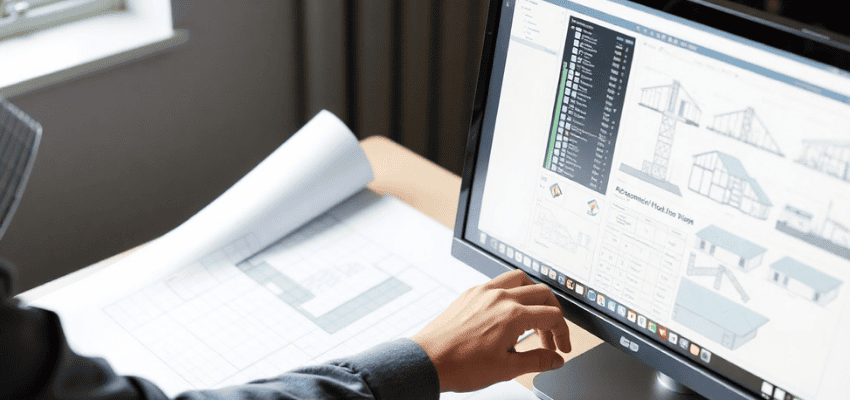
You shouldn’t have to guess what your project will look like. We turn abstract ideas into professional schematic design drawings that bring the concept to life.
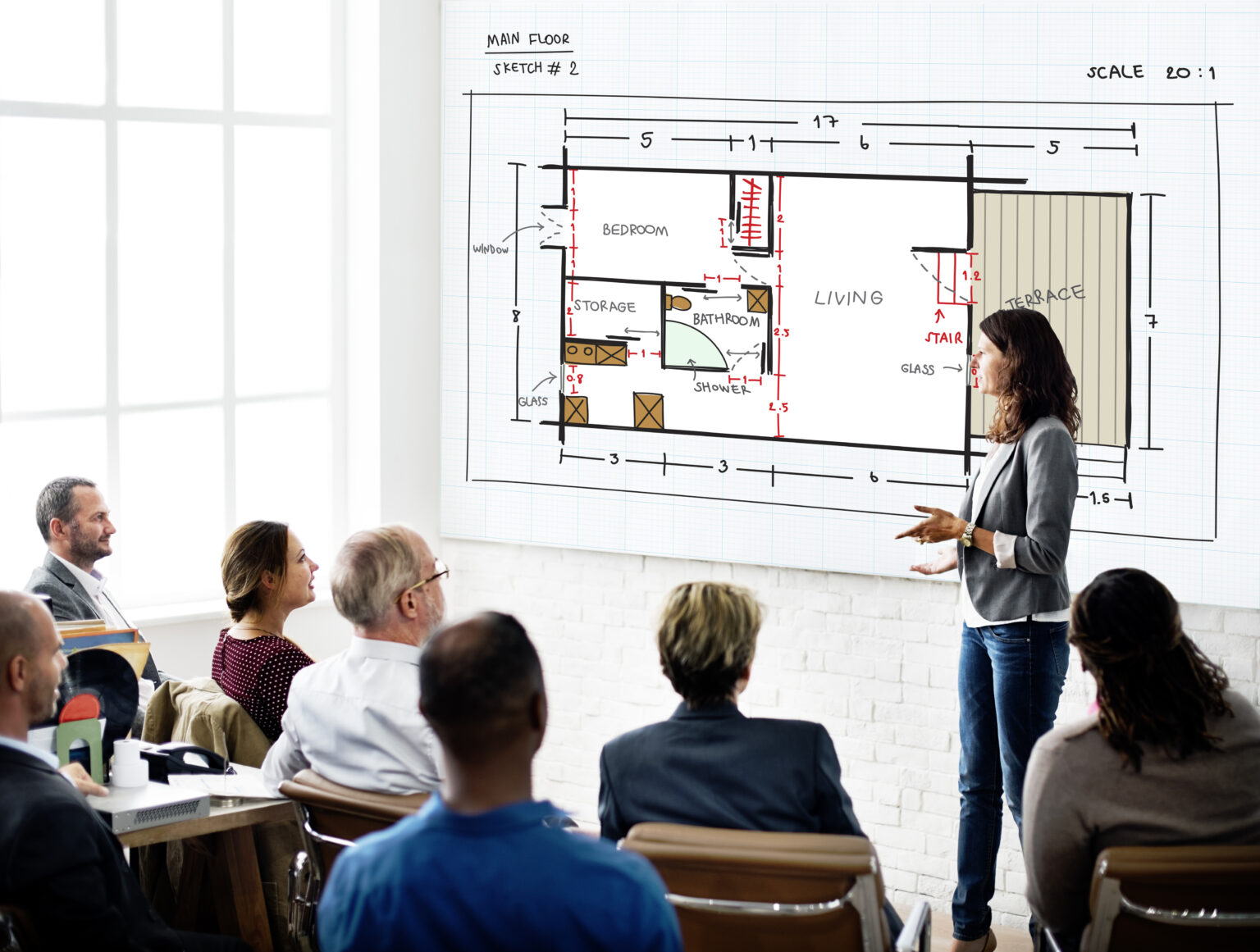
- Clear Floor Plans: 2D layouts that show exactly where everything goes.
- Elevation Views: A look at the “height” of your design, walls, features, and vertical spacing.
- Massing Studies: Early 3D views that help you understand the sheer scale and volume of the rooms.
- Concept Sketches: Artistic snapshots that capture the unique character we’re building.
5. The Final Schematic Package
The end result of this phase is a comprehensive “Blueprint of Intent.” This package is what you’ll use to get quotes, talk to contractors, or move into full technical development.
- Finalized Space Plans: The roadmap for your entire project.
- Annotated Insights: We don’t just give you drawings; we provide the “why” behind every design choice.
- Consultant Coordination: A professional PDF bundle ready for your engineers or developers.
Why Work with a Schematic Design Firm?
The biggest mistakes in construction happen because of poor planning at the start. By investing in professional Design Intent Development, you aren’t just buying drawings you’re buying peace of mind. Let’s make sure your project starts on the right foot.
Our Schematic design Services
Consultation
Understanding your requirements, preferences, and scope.
Initial Concepts
Preparing design themes, inspirations, and directions.
Layout Development
Drafting multiple layout options for review.
Feedback & Revision
Refining concepts based on your inputs.
Finalization
Delivering the completed Schematic Design package for the next phase.
OUR PROCESS
Getting to know you
We start by discussing your project, understanding your requirements, and gathering all necessary details to create accurate and tailored construction documents.
Getting to work
Our experts develop detailed construction drawings, specifications, and plans based on your input, adhering to your vision and industry standards.
Ready for review
We share the drafted construction documents for your review, allowing you to check every detail and alignment with your project goals.
Feedback and final approvals
Your feedback is incorporated, and we finalize the construction documentation, delivering the approved files in the format you prefer.
Construction Documentations - Frequently Asked Questions
What is included in the Schematic Design package?
Approved layout plans, preliminary drawings, concept direction, and annotations.
Can multiple layout options be provided?
Yes, we develop multiple options for comparison.
Is this required for every project?
Yes. Schematic Design aligns expectations and prevents costly revisions later.
OUR BROCHURES
Step 1 of 3
Estimate Your Project
Note: To get the best quotation/estimation, please share the project details accurately below.
Contact Information
Please provide your details to receive the formal estimate.
Tentative Estimate
$0
Satisfied with this estimate?
*This is tentative not exact. The provisional cost may vary based on Level Of Detailing and other important project requirements. Final pricing will be confirmed after a detailed project discussion.
Thank You!
Your request has been received.
One of our experts will connect with you shortly to discuss the next steps.
GET FREE CONSULTATION
Blogs Insights
From Manual Blueprinting to Digital Precision Drafting
The architecture, engineering, and construction (AEC) world moves incredibly fast...
Read More
AutoCAD Technical Documentation for Engineering Professionals
Ask any field superintendent what causes the worst headaches on...
Read More
Ensuring Quality in Collaborative Revit Drafting Projects
Building modern structures leaves no room for digital guesswork. When...
Read More