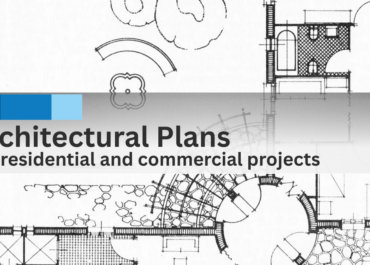

Before a building takes shape in reality, it begins to grow in the mind — and on paper. In architectural practice, this critical transformation from abstract idea to spatial form happens during a phase called schematic design.
Schematic design might be the earliest formal step in the design process, but it plays an outsized role in determining how well a project ultimately performs — functionally, visually, and economically.
In this guide, we’ll explore what schematic design really means, what happens during this stage, why it matters so much, and how it sets the direction for the entire architectural journey.
What Is Schematic Design?
At its heart, schematic design is the first organized phase in the architectural design process. It’s where initial ideas begin to take visual form and where the core spatial organization of a building is explored.
Rather than jumping straight into technical detail, schematic design emphasizes big-picture thinking — arranging rooms, defining relationships, thinking about circulation, and translating the client’s program and goals into preliminary drawings.
Think of it as the blueprint of intention — not a finished plan, but a clear representation of what needs to be built and why.
From Ideas to Space — What Happens During Schematic Design
The schematic design phase typically begins after initial programming and site analysis are complete. It involves a series of iterative steps that collectively transform ideas into spatial direction:
1. Exploring Concepts and Layouts – Architects begin by sketching multiple layout options. These early drawings — sometimes simple bubble diagrams or rough floor plans — help visualize spatial relationships and test ideas quickly.
2. Defining Form and Organization – At this point, the building’s basic form and organization begin to emerge. Floor plans are drafted; site plans showing how the building sits on its site are developed; and key spaces are arranged in relation to one another.
3. Balancing Function, Aesthetics, and Site Conditions – Architects consider how the design responds to the site — orientation, views, circulation, climate — and how spaces flow in use. Multiple design alternatives may be presented to explore how the project could function best.
4. Collaboration and Refinement – Throughout this phase, architects collaborate with clients and consultants, gathering feedback and refining ideas. This back-and-forth ensures that the schematic layout aligns with the client’s intentions and practical considerations.
Why Schematic Design Is So Important
Schematic design is more than a preliminary sketch — it’s the moment where vision meets reality and uncertainty begins to dissolve.
A Foundation for Everything That Follows
The outputs of schematic design — early drawings, sketches, and diagrams — provide the foundation for all subsequent work. Once the overall layout and form are chosen, the project can confidently move into design development, where details are refined and engineering systems are introduced.
Helps Prevent Costly Changes Later
Because schematic design is early and flexible, changes made here are far less expensive than changes made during technical design or construction. Addressing spatial, functional, or circulation problems at this stage saves time, money, and frustration later.
Boosts Clarity and Alignment
Schematic drawings help everyone — architects, clients, consultants, and regulators — visualize what’s being proposed. This shared understanding reduces confusion and aligns expectations early in the process.
Schematic Design vs. Concept Design
Concept design and schematic design are related but distinct:
Concept design is more abstract — it’s about big ideas and inspiration.
Schematic design builds on these ideas by exploring how they actually translate into space, structure, and layout.
Conclusion
Schematic design might be one of the earliest architectural phases, but its influence lasts throughout the entire project lifecycle. It’s where problems are clarified, opportunities are revealed, and the true shape of a project begins to emerge.
By grounding design decisions early, schematic design protects creativity and practicality in equal measure — and ensures the eventual built space genuinely reflects the original vision.