Case Study: Photorealistic 3D Rendering for MAC Design & Build
Introduction
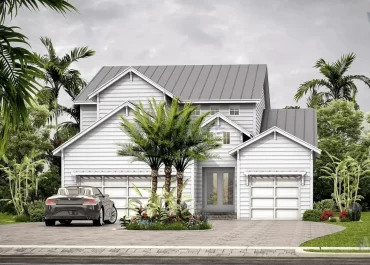
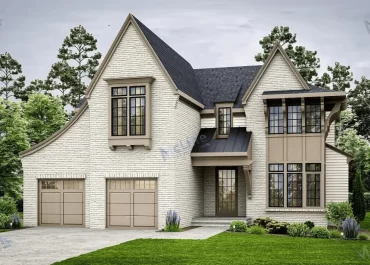
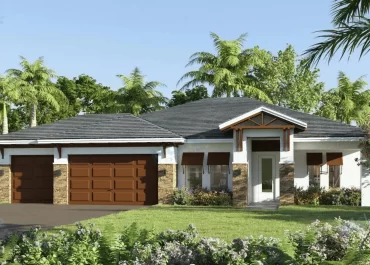
When a residential design is still on paper, it can be difficult for homeowners and stakeholders to fully imagine how the finished home will look and feel. That was the situation MAC Design & Build wanted to solve. They needed photorealistic exterior renderings that could clearly communicate their architectural vision and help everyone involved confidently understand the project before construction.
This case study follows the full journey of how McLine Studios worked alongside MAC Design & Build – from early drafts through multiple refinement stages to create a complete, cohesive rendering package that accurately represented the design across several viewpoints.
The Client’s Goal
The objective of MAC Design & Build was to produce high quality exterior renderings that accurately portrayed their intended residential designs. The renderings would provide clear representation of the architectural form and proportions, a true representation of the materials and finishes, a reflection of the site context and landscaping, depict multiple perspectives (including aerial views), and be realistic enough for use as presentations and for stakeholder review. Therefore, these rendering images were not marketing images but were tools for determining decision making.
The Project Challenge
Even though an architectural plan existed, producing convincing visuals from those plans required careful interpretation and development through a trial-and-error process. Two phases were utilized to produce the project.
1st Phase – Create Base Visuals (Exterior Renderings)
Draft external renderings are used to understand the primary design concept, such as the general appearance of the house, as well as its materials and site relationship. These drafts characterised the initial graphical framework of the project.
2nd Phase – Add Additional Visuals (Possible Views)
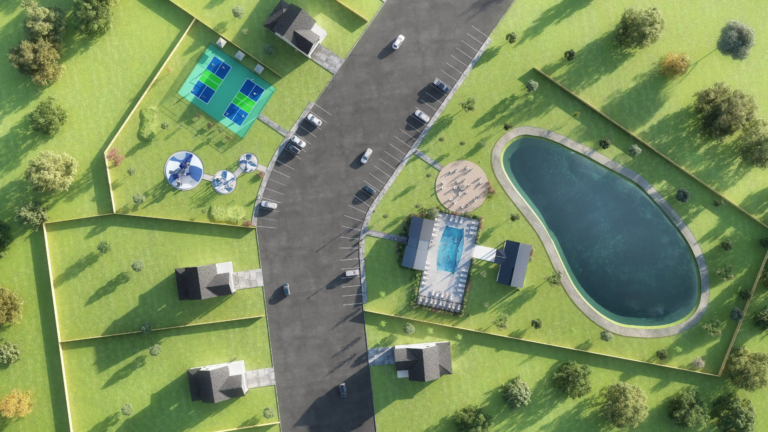
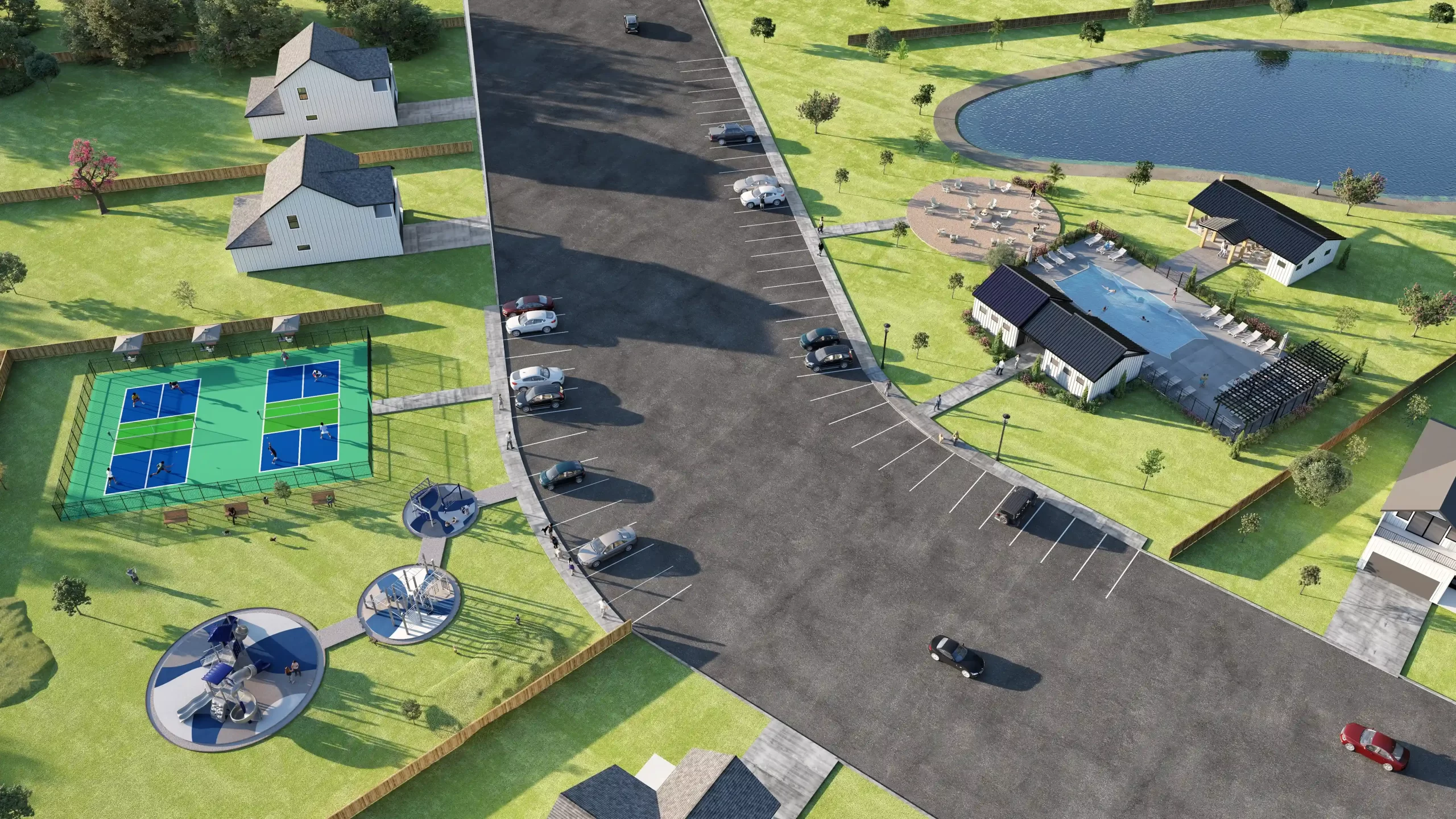
Once all of the prime visual drafts were completed, additional visual perspectives were created, such as bird’s eye views, along with additional revisions to the earlier established drafts. The rendering project ultimately expanded to include additional rendered viewpoints that continued to meet established visual properties, but was not limited to additional base views used in Phase 1.
The most important task was maintaining continuity with the established proofs between all of the additional visual views that were produced through consistent representation of similar characteristics (i.e., consistent lighting, materials, settings, and ultimately realistic characteristics) for all of the visual images, so that all visual images would appear to have an overall unified image.
McLine Studio's Approach
Instead of treating the project as a one-time delivery, we viewed it as a collaborative visualization process; thus, our workflow followed a very straightforward trajectory:
Create accurate versions early.
Having early visuals created enabled the client to be confident in their overall direction before they put money into completing a high-detail version.
Get structured feedback.
MAC Design & Build created mark-ups and made notes directly on the images, which allowed for precise and efficient revisions.
Refine in controlled stages.
Each round of updates focused on specific improvements-architectural clarity, materials, site features, and perspective accuracy.
Consistently extended.
The addition of every view maintained the same lighting, texture, and environment settings as had been used in previous versions to provide a consistent look across the entire project.
This step-by-step process helped to keep the project organized as the scope progressed.
Collaboration & Iteration
Collaboration was key to the strength and success of this project. The clarity of the feedback cycles contributed to the gradual improvement of the visuals versus large or disruptive changes. The following was reviewed during the refinement process:
- Architectural alignment and proportions
- Finishes and materials of surfaces
- Landscape and site context
- Camera view points and composition
The overall realism and quality of presentation
As the additional views were added to the overall diagram, McLine Studios worked to match the perspective drawings to the final base renders. This allowed each rendering to be represented as one continuous environment, versus different visual representations.
The outcome of the resulting rendering was a cohesive rendering package accurately depicting the design from a variety of perspective views.
The Final Rendering Package
The completed deliverables consisted of a comprehensive set of full exterior visualizations as follows:
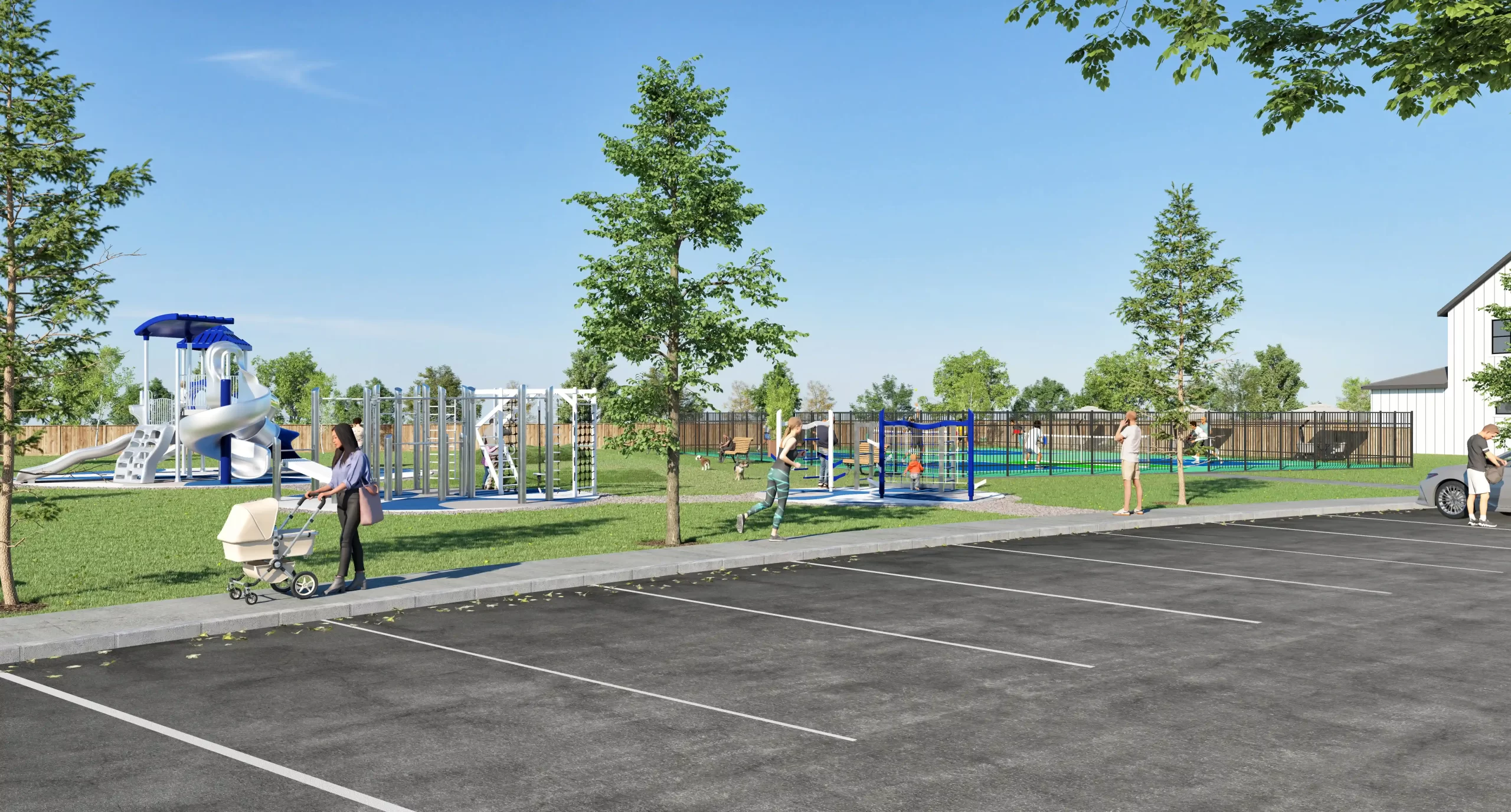
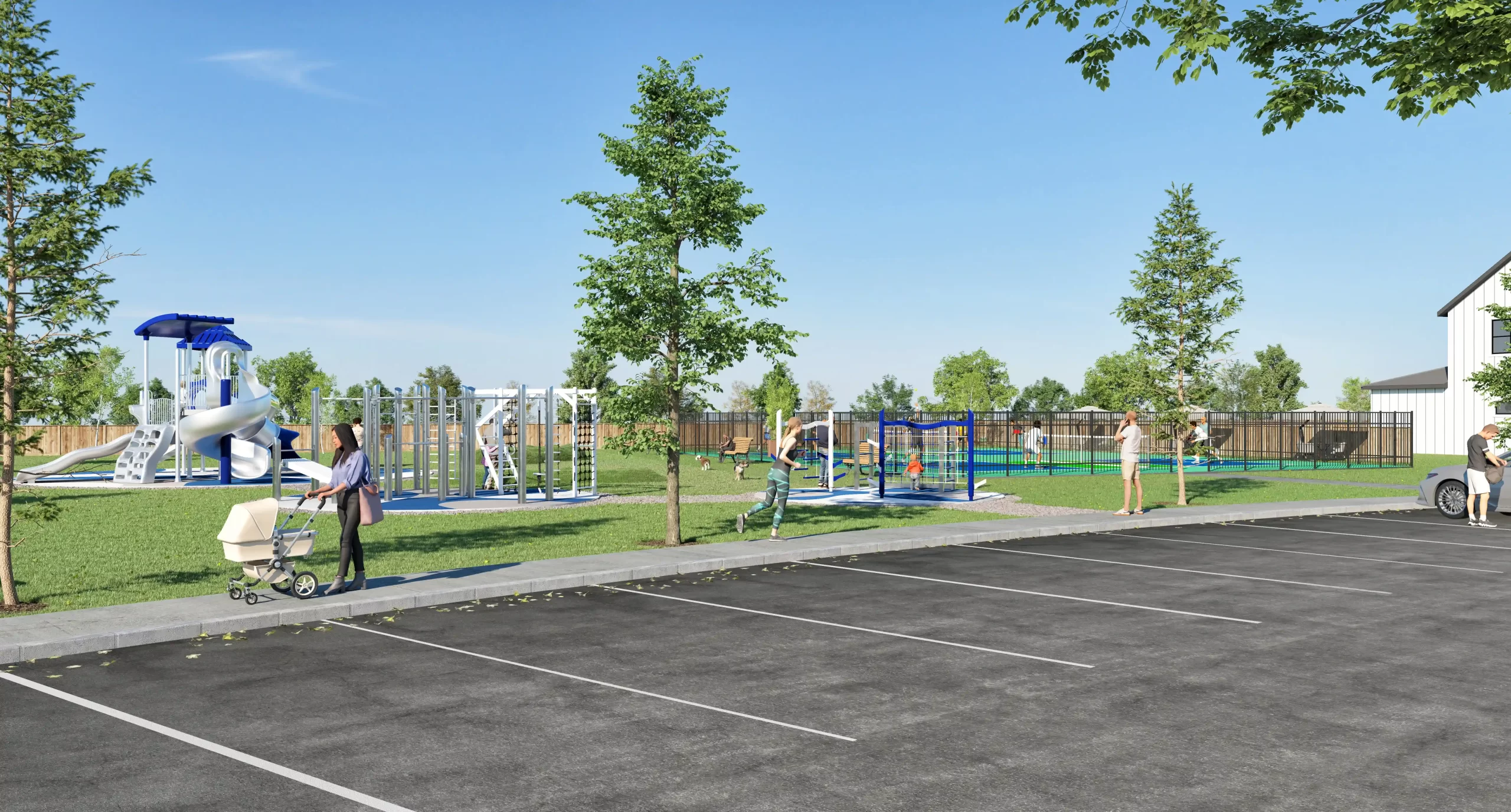
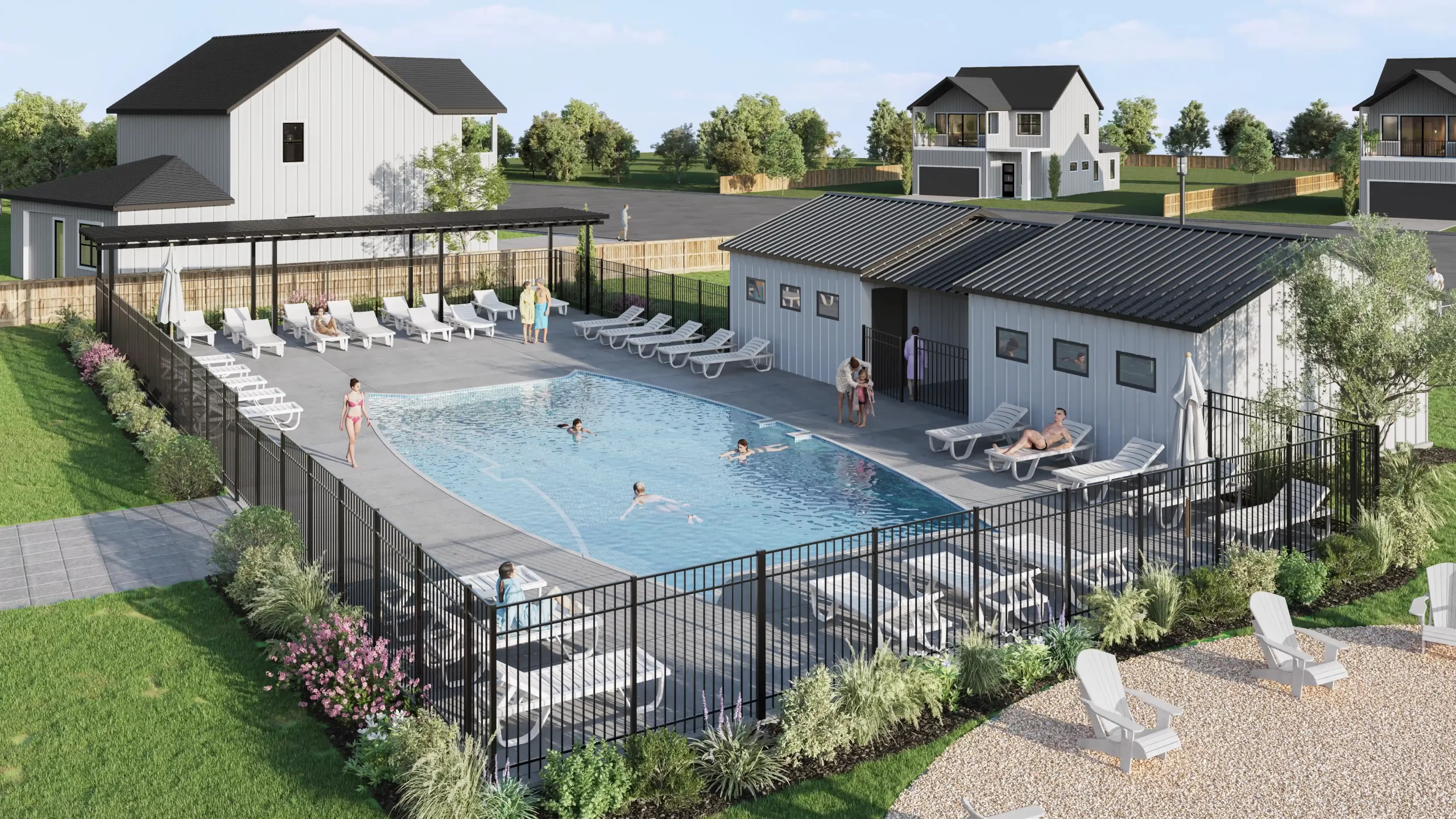
- Refined primary exterior views
- Additional perspectives, including aerial views
- Consistent lighting and materials
- Photorealistic quality
MAC Design & Build verified that the visualizations met the architectural intent and were well suited to be used for both stakeholder presentations and project communications.
Key Takeaway
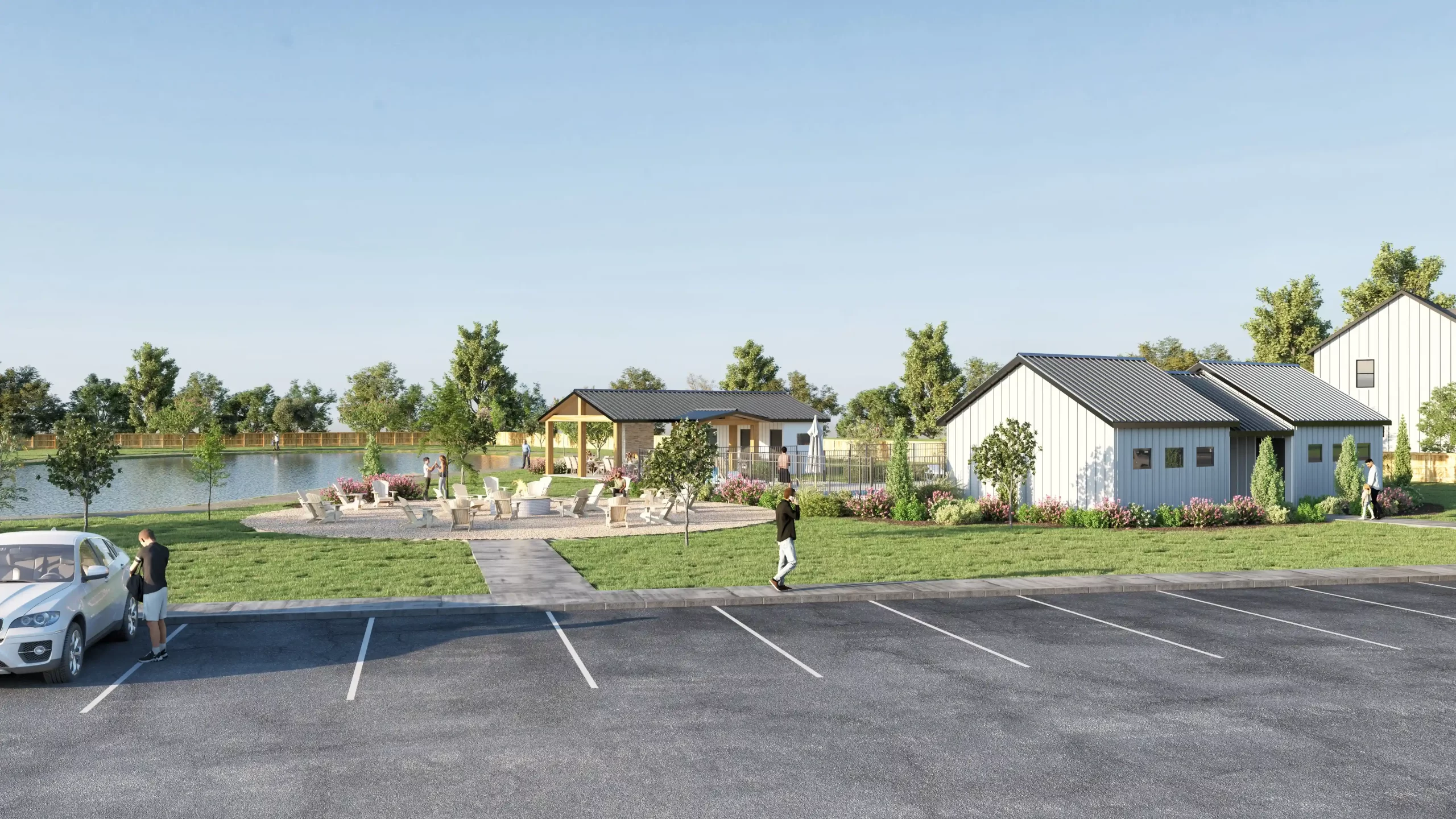
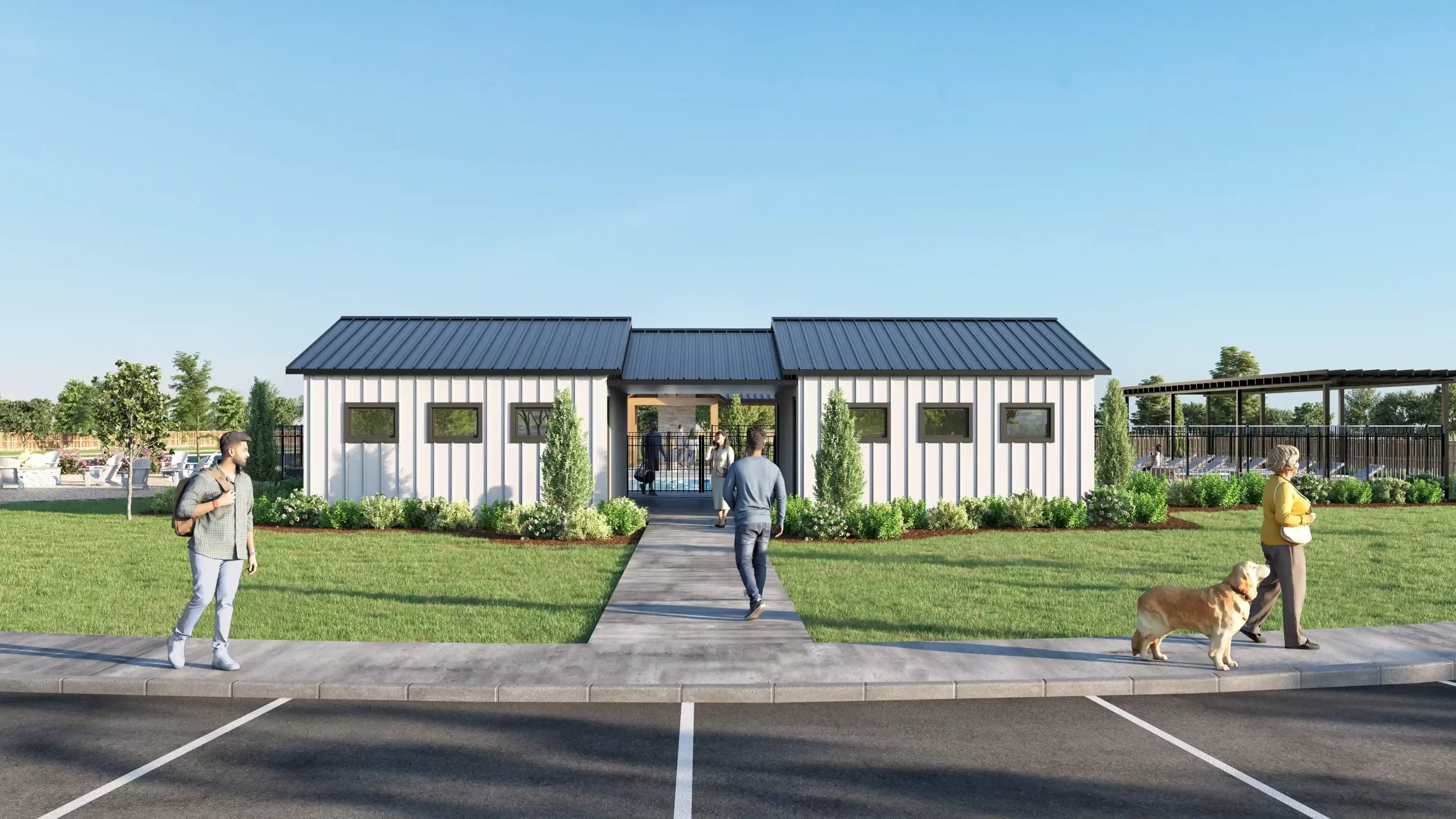
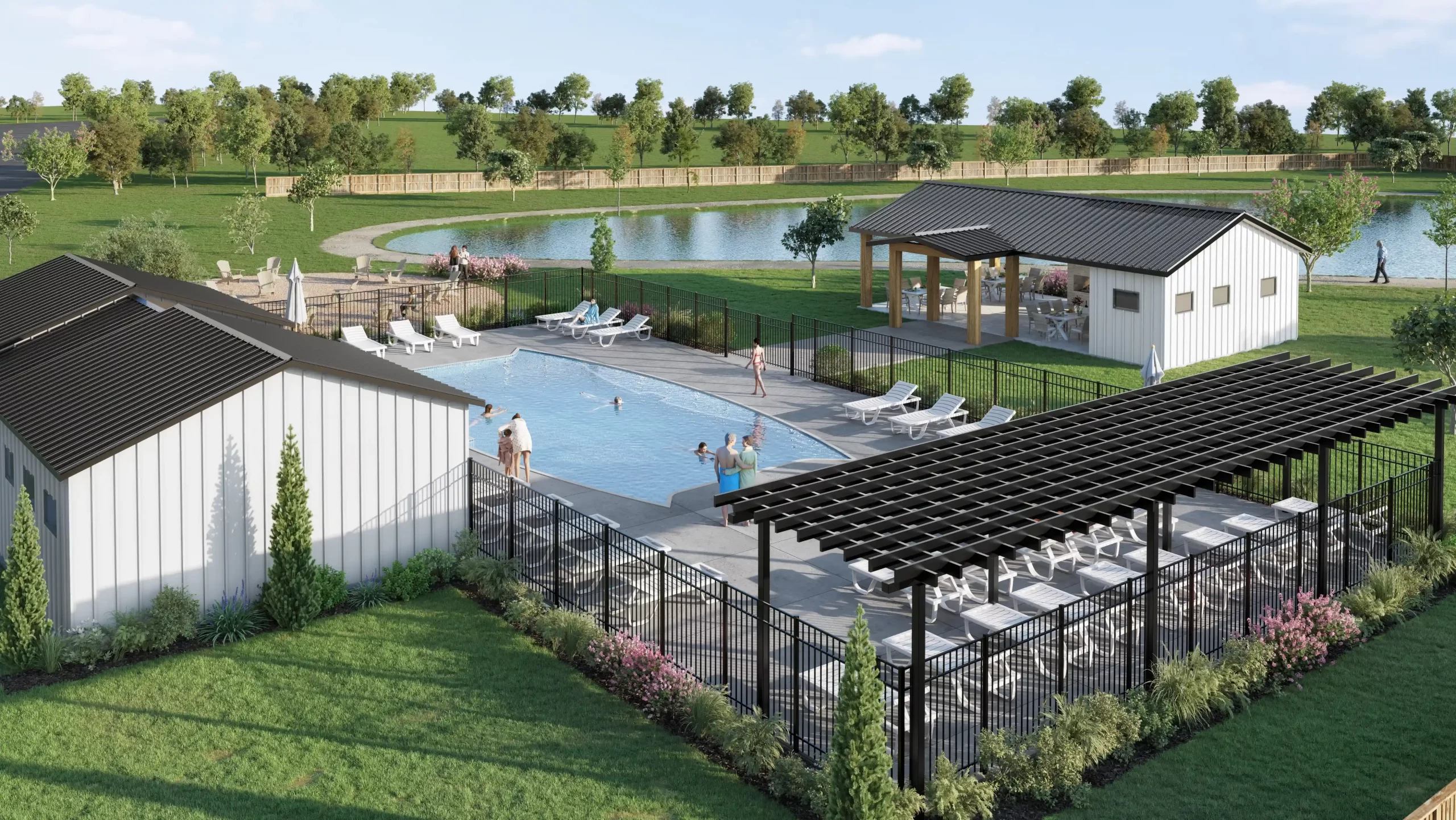
Architectural visualisation can often evolve parallel to design communication requirements, as both viewpoint and detail expand, it is important to maintain visual consistency. The phases of creating this project provide a way of structuring the work and ensuring that every new render produced was aligned with the original visual language, thus creating a cohesive and reliable visualisation package that supported the design’s understanding from every angle.
The project demonstrates that successful rendering is not only about creating a realistic image, but rather creating the clarity, confidence, and common understanding of a design before it is ever built.
Our Work Samples