
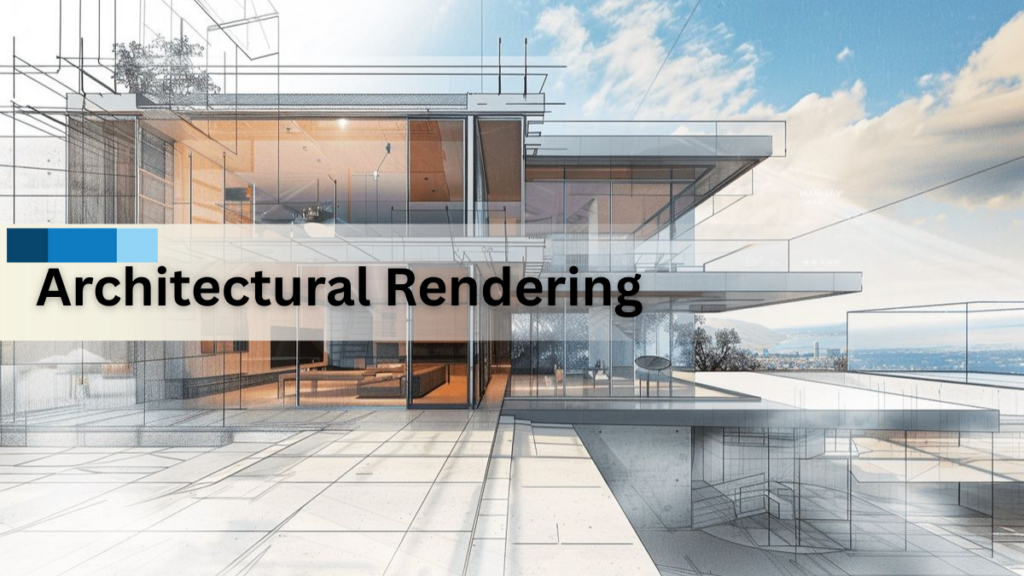
The Importance of Visual Clarity in a Construction and Real Estate Industry. Project success relies upon visual clarity. In a construction and real estate industry that is competitive and fast-paced, stakeholders will require a clear understanding of how their future property will look and feel prior to breaking ground on the project. That’s why an architectural rendering is essential to creating a successful project.
Architectural renderings act as the “bridge” to move from the designer’s mind to the real world. Developers, architects, and owners can view what they are designing prior to deciding on plans and communicate confidently with all parties involved in the project. As the expectations for the level of detail and quality in design continue to increase, an architectural rendering is now considered a core component of any design or development, rather than an enhancement.
This blog post examines how an architectural rendering allows a developer to visualize what they are developing before a construction project begins, as well as the decision-making process regarding architectural visualizations, and ultimately how a professionalizes an architectural visualization is a requirement for all modern designs or developments.
What Is Architectural Rendering?
Architectural Rendering uses technological methods to create visual representations of the intended designs of an architect’s creation. The renderings illustrate the overall shape of the building, the materials used for construction, how the building will be lit when completed, and the layout (whether an individual room or a series of connected individual rooms) as they will be when finished.
Architectural renderings provide images that depict a building in its final state and are much more realistic than traditional sketches and simple CAD drawings. The six types of architectural rendering are:
1) Exterior perspectives of buildings;
2) Interior Views of buildings;
3) Context Surroundings; and
4) Advanced architectural visualizations.
The ability to create a realistic image of the design concept provides all stakeholders with a clear understanding of what the completed project will look like. This enables all parties to clearly communicate their design vision and helps to eliminate misunderstandings between the various parties involved in the project.
The Role of Architectural Rendering in Property Visualization
Property visualization is how people can visualize properties even before they exist. Architectural renderings are vital to the property visualization process because they help convert technical information about a property into easy-to-understand visual representations.
Architectural renderings enable stakeholders to assess a property’s dimensions, materials, finishes, and overall appearance. Furthermore, property visualization provides stakeholders with immediate answers to critical questions, such as the appropriate relationship of a building to the surrounding area, how ceiling heights and other interior features will behave in actual use, etc.
In addition, effective architectural visualization enables stakeholders to make informed decisions about design and reduces the potential for expensive changes at a later time in the construction process.
Why Architectural Rendering Matters Before Construction Begins
Decisions made before construction begins have a significant impact on cost, schedule, and quality. Architectural rendering provides clarity at this early stage, allowing teams to identify issues and refine designs before physical work starts.
Key benefits include:
- Improved understanding of design intent
- Early validation of materials and finishes
- Enhanced communication with clients and stakeholders
- Reduced misunderstandings during execution
By visualizing the rendering of architecture early, teams can proactively address challenges instead of reacting to them on-site.
Architectural Visualization as a Communication Tool
An advantage of using renderings in architecture is that they help to clarify complex concepts. Technical drawings are not easily understood by the average person, while realistic images help illustrate these concepts.
Architectural visualization allows designers and architects to communicate their vision in a manner that resonates with property owners, investors, and zoning boards. This common language creates trust and facilitates quicker approvals.
High-quality renderings create a common understanding, aligning the expectations of all members of the project team.
3D Architectural Renderings and Design Accuracy
Modern projects rely heavily on 3d architectural renderings to ensure design accuracy. These renderings incorporate precise dimensions, materials, and lighting conditions, creating visuals that closely match the final outcome.
Accurate 3d architectural visualization allows teams to:
- Evaluate spatial relationships
- Identify design inconsistencies
- Test different design options
- Improve coordination between disciplines
This level of accuracy supports better planning and reduces rework during construction.
Architectural Rendering in Real Estate Marketing
Beyond design validation, architectural rendering plays a vital role in real estate marketing. Developers often rely on visuals to promote properties before construction is complete.
Through compelling architectural visualization, marketing teams can showcase future spaces, attract buyers, and generate interest early. Renderings allow potential clients to emotionally connect with a project, which is often more impactful than floor plans alone.
Professional architectural rendering helps properties stand out in competitive markets and supports faster sales cycles.
Supporting Design Decisions Through Visualization
Design decisions are easier to make when outcomes can be seen clearly. Architectural rendering enables stakeholders to explore multiple design options without physical mockups.
By adjusting colors, materials, layouts, or lighting in the rendering stage, teams can compare alternatives efficiently. This flexibility supports better choices and ensures that final designs align with functional and aesthetic goals.
The ability to visually test ideas makes architectural visualization a powerful decision-support tool.
Architectural Rendering and Project Coordination
Project success relies heavily on the collaborative integration of architectural, structural, and mechanical/electrical/plumbing systems. Architectural renderings allow you to visualize the relationships between various system elements as they would occupy the same physical environment.
In conjunction with accurate design documentation, renderings allow early recognition of potential conflicts due to spatial incompatibilities. Early recognition of such conflicts improves the level of collaboration and minimizes construction-related coordination problems.
Experienced rendering architects utilize rendering outputs to communicate design intent more clearly and promote the alignment of all project’s disciplines across the entire design/construction process.
Quality and Realism in Architectural Visualisation
The success of any architectural render is based entirely on its level of realism and quality. Professional architectural rendering takes a heightened level of care to ensure that the lighting, textures, and proportions depicted in the rendering accurately reflect those found in nature, thereby producing a more realistic representation of the project.
Having high-quality, realistic visualizations instils confidence in the final product and provides stakeholders with a level of comfort in the accepted design solution. The increased realism of the architectural rendering is especially important when presenting projects to clients unfamiliar with the terminology used in technical drawings.
The quality of an architectural rendering is indicative of the level of professionalism and attention to detail exhibited by those who created it.
Architectural Rendering for Approval and Compliance
Architectural renderings can aid in the approval process through clear illustration of intention and adherence to regulations.
Architectural Visualisation helps both authority and review boards to visualise the massing, setbacks and visual/physical effects of a project. It is through this visualisation that many approval processes are able to be streamlined and allow for less back-and-forth on revisions.
Utilising an Architectural Rendering early in the project provides an opportunity to significantly reduce the time required for approvals.
Long-Term Value of Architectural Rendering Assets
Architectural rendering adds value not just at the time of design, but also in the future. Renderings are used in the marketing and leasing of buildings as well as for presenting concepts and planning for renovations.
Professional-quality architectural rendering remains as a long-term source of reference for building brands, managing properties, and providing ongoing value. This allows architectural rendering to be a cost-effective way to invest in long-term benefits.
By investing in architectural rendering, a project will add value beyond just the initial validation of a design.
Future Trends in Architectural Rendering
As digital tools evolve, architectural rendering continues to advance. Improved software, real-time visualization, and higher realism are shaping the future of architectural visualization.
Trends include faster turnaround times, improved collaboration, and greater integration with design workflows. As expectations increase, architectural rendering will continue to play a central role in how properties are designed, presented, and delivered.
Conclusion
Architectural Rendering has changed how we can conceptualize a Property prior to Construction. Clarity, Realism, and Assurance are now prevalent through this process and allow for Better Planning, Communication and Predictability.
Architectural Visualisation will provide support throughout all phases of a project from conception to Sale and Approval. Stakeholders are now able to proceed with Confidence & Clarity, from initial design decisions through to the Construction phase.
With the importance of understanding what the End Result will look like in this industry, Architectural Renderings are no longer considered Optional but rather Essential.