


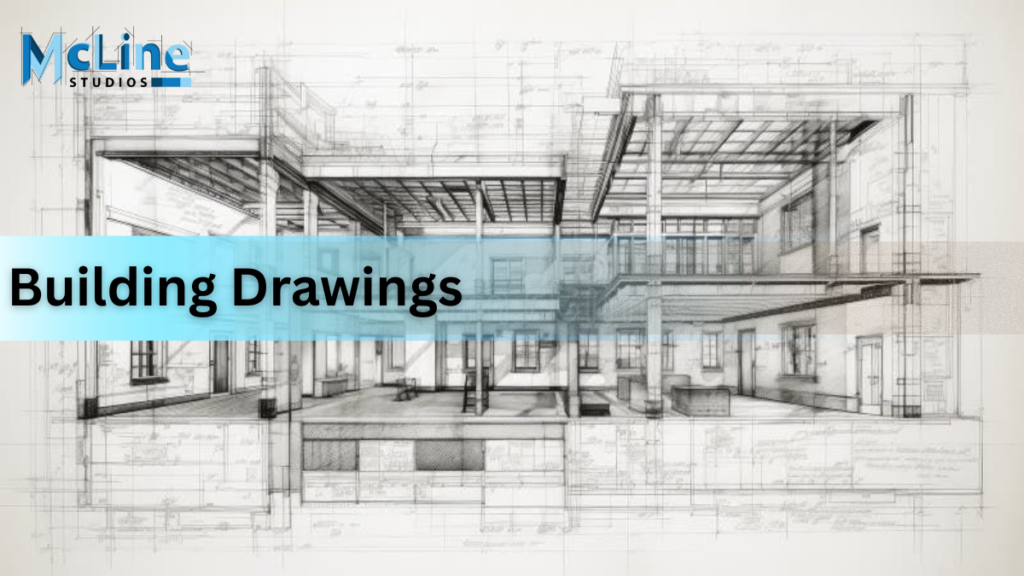
Construction projects today require utmost clarity. This applies throughout the entire process, from pre-construction stages right through to the execution phase. Each decision relies heavily on the level of clarity achieved during communication. This is exactly why building drawings play a crucial role. They serve as the primary reference used throughout the construction lifecycle.
In a fast-paced construction environment, building drawings must be accurate and well-structured. Clear and coordinated building documentation helps convert concepts into buildable solutions, reducing conflicts and supporting efficient coordination between stakeholders. With proper planning, these drawings form the foundation for predictable timelines, controlled costs, and consistent quality.
This blog introduces the importance of building drawings, explains what they are, why they matter, and how they support successful construction outcomes.
What Are Building Drawings?
Building drawings are detailed technical documents prepared by skilled professionals to visually represent design intent, dimensions, materials, and construction requirements. These drawings communicate how a structure should be built, fabricated, and coordinated across disciplines.
Unlike conceptual sketches, building drawings are created to scale and follow established standards. They include precise measurements, annotations, symbols, and references to ensure accuracy during construction. Every wall, opening, system, and component is clearly defined, leaving minimal room for interpretation.
In professional construction environments, building drawings are essential for approvals, cost estimation, procurement, fabrication, and on-site execution. Without them, projects face a higher risk of errors, delays, and cost overruns.
Why Building Drawings Are Critical in Construction Projects
The quality of documentation is a critical factor in construction success. Building drawings establish a single source of truth that aligns architects, engineers, contractors, and consultants.
Accurately prepared drawings help ensure:
- Clear communication of design intent
- Compliance with codes and standards
- Accurate material quantity estimation
- Smooth coordination between disciplines
- Reduced rework and on-site conflicts
When building drawings are incomplete or inaccurate, contractors are forced to make assumptions, often leading to delays and mistakes. Well-prepared drawings, on the other hand, provide confidence at every stage of construction.
Types of Building Drawings Used in Construction
Professional construction projects rely on multiple types of building drawings, each serving a specific purpose within the project documentation set.
Architectural Drawings
Architectural building drawings define the visual and spatial aspects of a structure, including:
- Floor plans
- Elevations
- Door and window schedules
- Sections
These drawings communicate how spaces are organized and how the building will appear.
Structural Drawings
Structural building drawings focus on load-bearing elements such as:
- Foundations
- Columns and beams
- Slabs
They ensure the structural stability and safety of the building.
MEP Drawings
MEP (Mechanical, Electrical, and Plumbing) drawings illustrate:
- HVAC layouts
- Electrical wiring and lighting systems
- Plumbing and drainage networks
MEP building drawings must be carefully coordinated to prevent clashes during construction.
Construction Detail Drawings
Construction detail drawings provide enlarged views of specific components, showing how materials and systems connect. These drawings are essential for accurate installation.
The Role of Building Drawings in Project Planning
During the planning stage, building drawings form the basis for feasibility studies, scope definition, and budgeting. They allow teams to visualize the project and identify potential issues before construction begins.
They support:
- Cost estimation and bidding
- Scheduling and sequencing
- Regulatory reviews and approvals
A coordinated set of building drawings enables informed decision-making and minimizes late-stage design changes.
Building Drawings and On-Site Execution
Once construction begins, building drawings become the primary reference for contractors and subcontractors. Every on-site activity is guided by these documents.
High-quality building drawings provide:
- Clear dimensions and tolerances
- Installation guidance
- Material specifications
- Trade coordination information
Accurate drawings allow site teams to work efficiently with fewer RFIs and interruptions, improving productivity and quality.
Importance of Coordination in Building Drawings
Modern construction involves multiple disciplines working simultaneously. Without coordination, conflicts between architectural, structural, and MEP systems are inevitable.
Coordinated building drawings help:
- Identify clashes early
- Align systems within limited spaces
- Reduce RFIs and change orders
By integrating all disciplines, coordinated drawings support smoother workflows and fewer on-site surprises.
Professional Services for Building Drawings
Producing accurate building drawings requires technical expertise, industry knowledge, and attention to detail. Professional drafting and drawing services ensure documentation quality and consistency.
Experienced teams ensure that:
- Drawings meet industry and project standards
- Documentation is clear and coordinated
- Revisions are properly managed
- Quality checks are completed before issue
Outsourcing building drawing services also offers flexibility, allowing firms to scale resources without sacrificing quality.
Quality Control in Building Drawings
Quality control is essential to ensure building drawings are construction-ready. Each drawing must undergo structured reviews before release.
Effective quality control includes:
- Dimension and annotation verification
- Cross-discipline coordination checks
- Compliance with project standards
- Version and revision management
Strong quality control minimizes errors that could lead to delays or rework during construction.
How Building Drawings Improve Project Efficiency
Clear and accurate building drawings directly impact project efficiency by reducing confusion and supporting faster decision-making.
Key benefits include:
- Faster approvals
- Reduced construction delays
- Improved team collaboration
- Better cost control
In competitive construction environments, efficiency gained through reliable drawings can significantly enhance project performance.
Long-Term Value of Building Drawings
The value of building drawings extends beyond construction completion. These documents serve as references for operations, maintenance, and future modifications.
They support:
- Accurate as-built documentation
- Facility management
- Maintenance planning
- Future expansions or renovations
This long-term usability makes building drawings a strategic investment.
Future Trends in Building Drawings
As the construction industry evolves, so do building drawings. Digital tools and collaborative workflows are transforming how drawings are produced and managed.
Emerging trends include:
- Increased digital coordination
- Improved drawing accuracy
- Faster revisions and updates
- Enhanced collaboration across teams
As project complexity grows, demand for well-coordinated building drawings will continue to increase.
Conclusion
Building drawings form the foundation of successful construction projects. They provide the clarity, accuracy, and coordination needed to move confidently from planning to execution. From early design decisions to on-site installation and long-term facility management, these drawings guide every stage of the process.
By investing in professionally prepared building drawings, project teams can reduce risk, improve efficiency, and deliver higher-quality outcomes. In today’s demanding construction environment, accurate documentation is essential—not optional.