


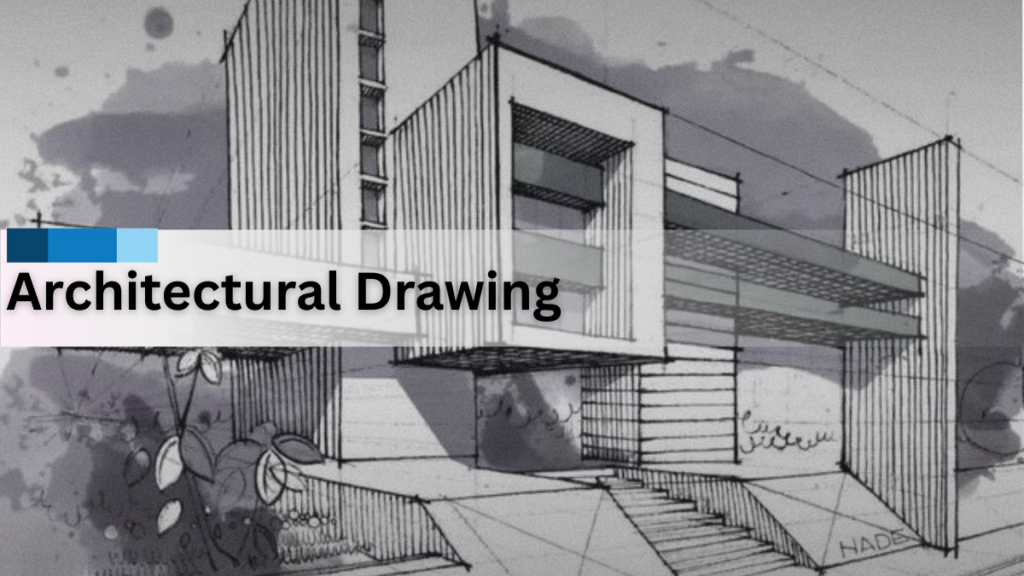
An architectural drawing is the foundation of every successful construction project. Before materials are ordered, contractors mobilize, or permits are issued, the architectural drawing process defines how a building will look, function, and perform. From early concept sketches to final construction documentation, each stage of architectural drawing development plays a critical role in reducing risk and ensuring clarity.
Modern construction demands precision, coordination, and compliance. A professionally prepared architectural drawing communicates design intent clearly to engineers, contractors, consultants, and authorities. Understanding the full process—from concept to construction documentation—helps property owners, developers, and design teams make informed decisions that lead to efficient project execution.
What Is an Architectural Drawing?
Architecture drawings are technical drawings that show the design intention and the requirements to build. Architecture drawings are not simple sketches; they follow industry-standard conventions such as terms used for scales or points in space and formats for documenting.
Architecture drawings usually consist of:
- Floor Plans
- Elevations
- Sections
- Detailed Layouts
- Dimensioned Construction Notes
Architecture drawings have different functions at different phases in the life of the project. Some drawings help the design team visualize concepts. Other drawings provide direction to contractors while executing on-site. All architectural drawings are part of a coordinated set of documents to provide cohesion among disciplines.
Stage 1: Concept Development
At the beginning of developing an architectural plan, creating the concept will be the first step. The goal during this period is to turn ideas into drawings that are the beginning visual representations of those thoughts.
Some examples of concept architectural drawings would be:
- Simple layout sketches
- Studies of how space might be organized
- Diagrams showing the massing (building shapes)
- Concepts for what the exterior of the building could look like
Conceptual drawings provide the opportunity for the client to develop an idea of how that particular project will move forward prior to moving to the next steps of preparing detailed documentation. Even though these drawings aren’t very detailed, they create the base for development.
It is very important to create an effective architectural drawing at the concept stage because it allows the owner and designer to think about design objectives, site restrictions and function at an early stage of the process.
Stage 2: Schematic Design
Upon approval of the concept, the project transitions into schematic design. During this phase, the architectural drawing set will be refined and achieve measurable accuracy.
Included in typical Schematic Architectural Drawings are:
- Dimensioned Floor Plans
- Building Sections
- Exterior Elevations
- Preliminary Material Indications
At this point in time, coordination with Structural and MEP consultants will typically begin. The architectural drawings will be more technical and help to identify possible spatial conflicts before detailed development can begin.
Using clear schematic documentation will greatly decrease the likelihood of requiring design revisions later in the project.
Stage 3: Design Development
Development of designs consists of converting basic architectural drawings into extremely detailed, technically coordinated drawings. The focus changes from a basic site plan to the ability to construct the project after all details are worked out. Architecture at the design development stage include:
- Detailed wall assemblies
- Door and window schedules
- Stairs and vertical circulation details
- Refined façade treatments
At the design development stage, architecture must be coordinated with the structural system and the mechanical system; as such, the architectural drawings must relate to structural loads and way the HVAC system will be routed, how the plumbing will be laid out, and how the electrical systems will be distributed.
Coordination at the design development stage helps to avoid costly adjustments during construction.
Stage 4: Construction Documentation
Construction documentation is the last and most comprehensive phase of the architectural drawing process. These drawings serve as technical and legal reference documents for the contractor. The following types of drawings will be included in construction architectural documentation:
- Plans, fully dimensioned
- Detailed sections or enlarged details.
- Specifications, and notes on materials.
- Annotations indicating compliance.
- References to applicable building codes.
At this stage of the architectural drawing process, the drawings are to be complete and accurate, and also to be coordinated. The contractor relies on this documentation to execute the building project exactly as specified.
If the drawings are incomplete or inconsistent at this stage, then the litigating contractor may cause delay, change orders, or disputes.
Role of Architectural Drawing in Permits and Approvals
Prior to commencing construction, architectural drawings are generally submitted to regulatory groups for review. Regulatory groups review the architectural drawings to ensure that the proposed design meets applicable building regulations, zoning laws and safety standards prior to approving the project.
Typical architectural drawing submission packages include but are not limited to:
- Site plans
- Building layouts
- Elevation drawings
- Fire safety details
A well-prepared set of architectural drawings will decrease the amount of time required for approval and decrease the number of revisions that occur during the review process.
Digital Tools in the Architectural Drawing Process
Currently, modern architectural construction document creation processes are typically all produced utilizing latest technologies and applications of Digital Tools for accuracy, size (scale) and the ability to modify (edit) your drawings to account for changes to intended design (drawing documentation will be reviewed and revised often by the designer, other disciplines and the builder).
Digital processes have benefits:
- Revisions made faster
- Better teamwork
- Consistent layers
- Easier to track original Document used for documentation purposes.
- Easier access to Architectural Construction Docomaent sets from start of “building” to finish.
Coordination With Consultants
Architectural drawings are not isolated from other documentation such as those for structural, plumbing, electrical, and mechanical work. Proper coordination involves both: the which of the drawings overlaid (i.e. consultant drawings); identification of conflicts within the space that could result in construction difficulties; verifying that dimensions on architectural and other trade drawings align; and updating the various drawings as revisions occur.
Coordinating your architectural drawing results in fewer conflicts on the construction site and the project runs more smoothly after it has been constructed.
Importance of Accuracy in Architectural Drawing
In any architectural drawing, accuracy is the single most important factor. Even slight differences in the dimensions can cause a wide range of issues such as errors in construction or cost overruns.
Accurate architectural drawings can:
- Avoid dimensional conflicts
- Reduce the amount of waste from materials
- Increase the efficiency of contractors
- Improve the quality of the project as a whole
All architectural drawings are checked for compliance with established industry standards and construction requirements through quality control checks and professional oversight.
Architectural Drawing and On-Site Execution
Construction sites rely on the architectural drawing as their main source of information, which allows contractors to interpret measurement specifications, types of materials, and how the materials will be installed on site.
Documentation that is clear and easily understood will enable the following to occur:
- Structural components to be aligned correctly
- Openings and fixtures to be placed correctly
- To conform with safety requirements
- To effectively coordinate between all phases of the workflow
Elimination of as much ambiguity as possible within the architectural drawing makes for more successful delivery of your project.
Revisions and As-Built Documentation
During the course of building, site conditions or client decisions may lead to alterations. All changes need to show in new architectural drawings.
After the completion of building, as-built architectural drawings will serve as a record of the final built form. As-built drawings are beneficial for:
- Managing facilities
- Renovating in the future
- Planning for maintenance
- Keeping records for compliance
An updated set of as-built drawings provide long-term use through current documentation.
Why Professional Architectural Drawing Services Matter
Professionals provide drawings that are accurate, compliant and coordinated throughout the different phases of the entire project.
Some advantages are:
- Less chance of making an error when in construction
- Quicker approvals when needed
- Greater coordination among consultants
- Improved cost control
- Effective communications among all parties
By investing in quality preparation for your architectural drawings, you can enhance project results and reduce potential risks.
Conclusion
The architectural drawing procedure, which consists of conceptual drawings through construction documents, carries significance for the success of architectural projects. There is a distinct function for each of the phases within the overall drawing process that helps achieve greater design intent, greater coordination, and better execution.
Architectural drawings serve as the basis for all decisions made during the course of developing a building from early stage sketches to fully detailed construction documents, and when completed with precision by qualified professionals, they serve as an effective means to achieve efficient, code compliant, and long-term value throughout the life of a building.
Knowledge of the full architectural drawing process allows owners, developers, and design professionals confidence and clarity in the approach to project-related activities.